Hungary and Amsterdam are two European countries known for their rich history, culture, and diverse industries. While Hungary is located in Central Europe and Amsterdam in the Netherlands is in Western Europe, both countries have thriving industrial sectors that contribute significantly to their economies.
Category : | Sub Category : Posted on 2025-11-03 22:25:23
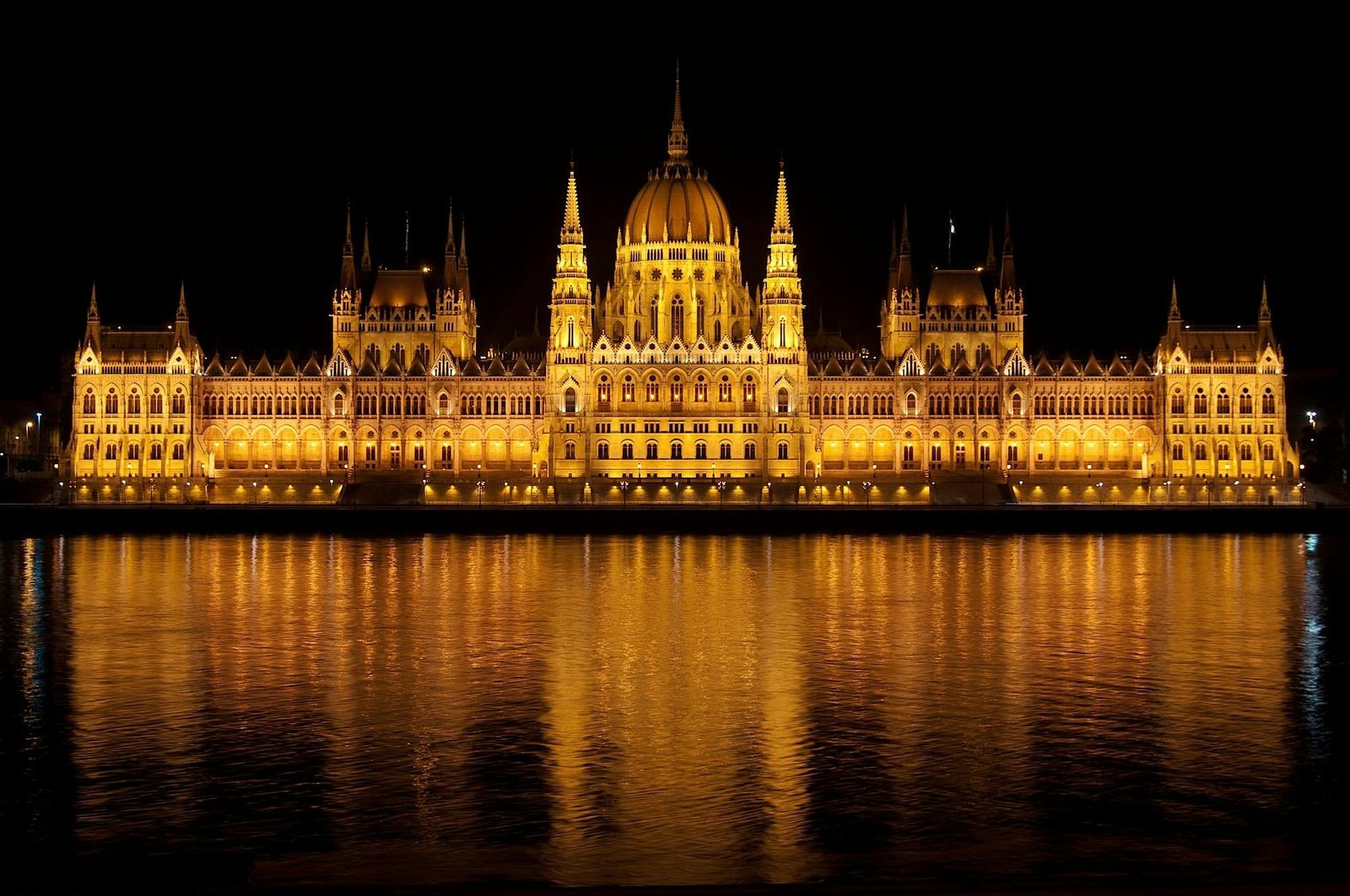
Hungary has a long history of industrial development, with sectors such as automotive manufacturing, electronics, pharmaceuticals, and food processing playing a crucial role in its economy. The automotive industry, in particular, is a major driver of Hungary's industrial output, with companies like Audi, Mercedes-Benz, and Suzuki having production facilities in the country. Hungary's strategic location in the heart of Europe, well-developed infrastructure, and skilled workforce have made it an attractive destination for foreign investment in various industries. On the other hand, Amsterdam is a global hub for industries such as finance, technology, tourism, and creative arts. The city's vibrant startup ecosystem has earned it a reputation as one of Europe's leading tech hubs, with companies like Booking.com, TomTom, and Adyen calling Amsterdam home. The financial services sector is also a key player in Amsterdam's economy, with the city hosting the European headquarters of many multinational banks and financial institutions. Despite their geographical and cultural differences, Hungary and Amsterdam share a common commitment to fostering innovation, supporting entrepreneurship, and driving economic growth through their diverse industrial sectors. Both countries continue to attract investment, talent, and opportunities for businesses looking to expand and thrive in the heart of Europe. In conclusion, Hungary and Amsterdam may be different in many ways, but their industrial prowess and economic resilience make them key players in the European business landscape. Whether it's manufacturing in Hungary or technology in Amsterdam, both countries offer unique opportunities for companies looking to succeed in today's competitive global market. You can find more about this subject in https://www.departements.org Seeking answers? You might find them in https://www.envoyer.org For a comprehensive overview, don't miss: https://www.isamsterdam.com
Leave a Comment:
SEARCH
Recent News
- Zurich, Switzerland, and Hungarian History: A Unique Blend of Culture
- Zurich - A Hub for Hungarian Films
- Zurich, Switzerland is a vibrant city that attracts people from all over the world due to its stunning scenery, peaceful atmosphere, and rich cultural diversity. Among the various communities that have made Zurich their home, the Hungarian population is particularly vibrant and active in preserving their traditional heritage. One of the ways in which they do so is by organizing Hungarian festivals throughout the year.
- Zurich, Switzerland: A Hub for Hungarian Culture
- Zurich, Switzerland: Exploring Hungarian Cuisine
- Exploring Hungarian History Through YouTube Content Creation and Translation
- Are you interested in learning about the fusion of YouTube content creation and the translation of Hungarian films? Stay tuned as we delve into how aspiring content creators can leverage Hungarian films to attract a broader audience by providing multilingual content.
- Hungarian festivals are incredibly vibrant and full of energy, making them perfect subjects for content creation on YouTube. Creating videos about these festivals can be a captivating way to showcase the rich cultural heritage of Hungary and introduce viewers to the unique traditions and celebrations of the country.
READ MORE
10 months ago Category :

Zurich, Switzerland, and Hungarian History: A Unique Blend of Culture
Read More →10 months ago Category :

Zurich - A Hub for Hungarian Films
Read More →10 months ago Category :

Zurich, Switzerland is a vibrant city that attracts people from all over the world due to its stunning scenery, peaceful atmosphere, and rich cultural diversity. Among the various communities that have made Zurich their home, the Hungarian population is particularly vibrant and active in preserving their traditional heritage. One of the ways in which they do so is by organizing Hungarian festivals throughout the year.
Read More →10 months ago Category :
